Dismantling False Narratives and Leveraging the International Moment in Sudan’s Favor
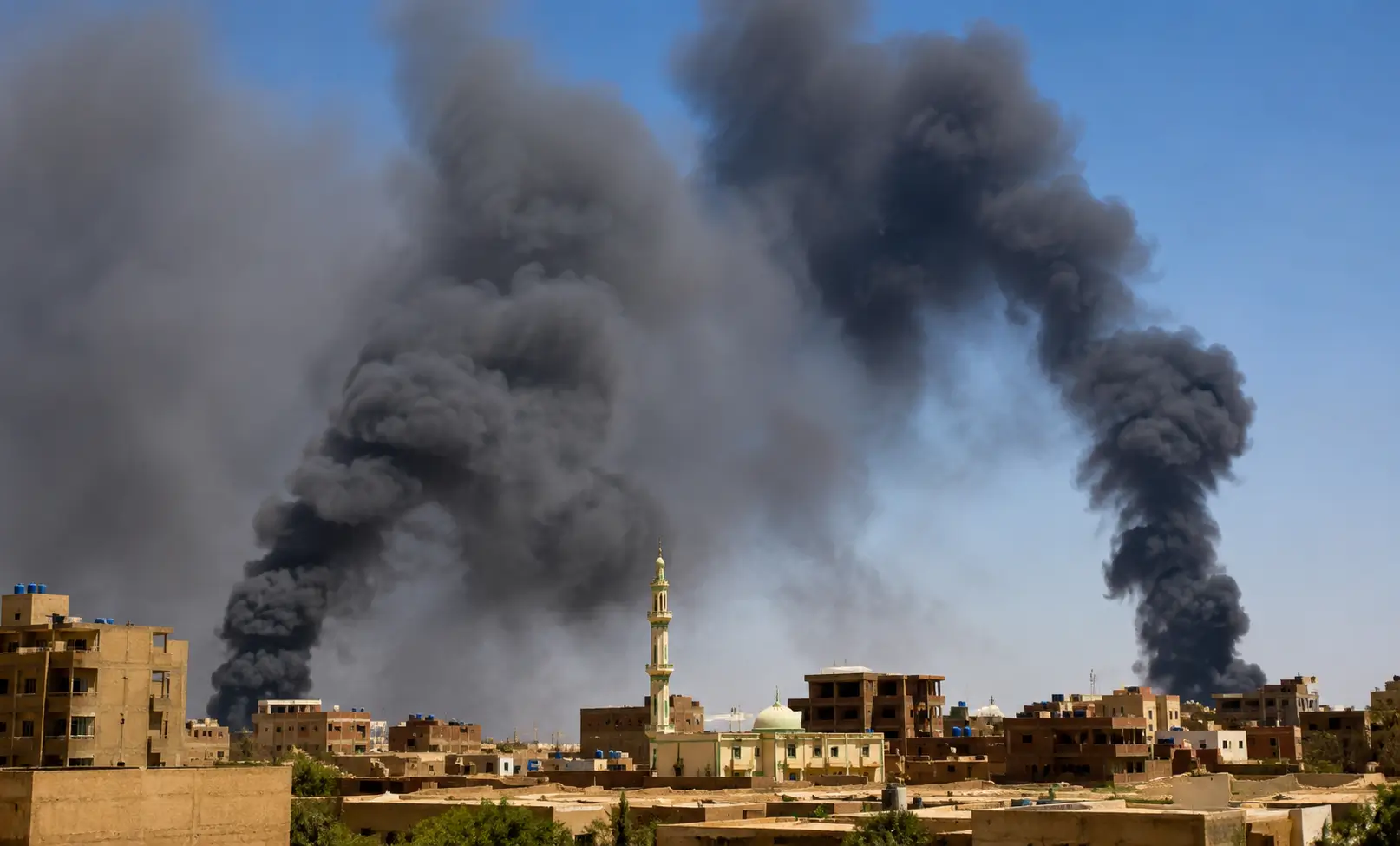
Recent developments in the Darfur region of western Sudan—most notably the fall of the city of El Fasher, followed by the expansion of the Rapid Support Forces (RSF) across the entire region and large parts of Kordofan—have once again raised fundamental questions about the future of the conflict in Sudan and the balance of power between its parties.
Despite the widespread impression that a major shift has taken place in territorial control, a closer reading clearly shows that these developments do not represent a profound strategic transformation or a fundamental change in the overall equation. The Sudanese Armed Forces, despite the pressures and challenges they have faced, remain the legitimate institution historically associated with the formation of the Sudanese state, with roots in the country’s historical and social fabric extending back nearly a century.
This legitimacy is not merely a temporary political description; rather, it forms part of the deeper structure of Sudanese society. Even during the most difficult phases of the war, the military institution has maintained high levels of discipline, institutional organization, and adaptability in responding to the course and developments of the conflict. This distinguishes it from militias that rely on personal loyalties and lack institutional structure and discipline.
To read more, click the following link:
https://bit.ly/3NgPVQs
0 Comments